RSV Genomic Surveillance Workshop: Advancing PANDOMIC’s Long-Term Vision
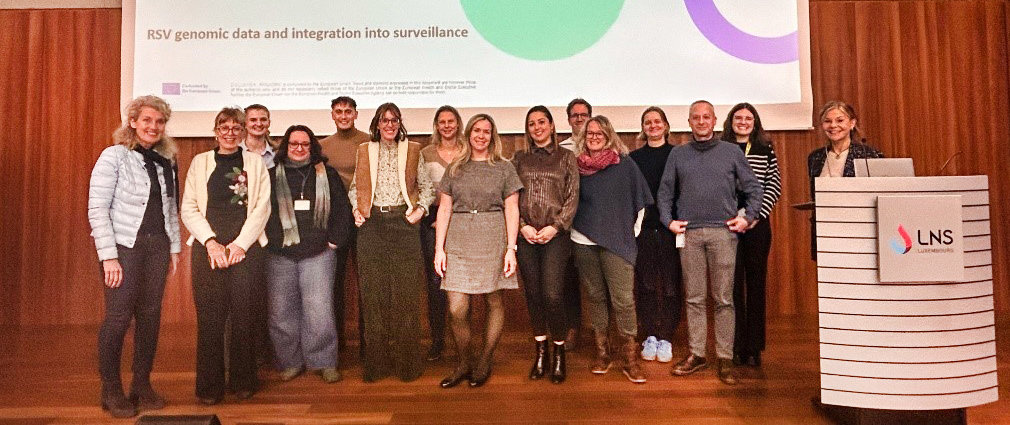
On 19 November 2025, the PANDOMIC project held an RSV Genomic Surveillance Workshop at the Laboratoire national de santé (LNS) in Luxembourg. The event gathered national public-health authorities, clinical specialists, surveillance teams and laboratory experts to review progress made under PANDOMIC and to align on how RSV genomic surveillance will continue beyond the project’s end.
Over the past 30 months, PANDOMIC has strengthened Luxembourg’s capacity to conduct integrated genomic surveillance for respiratory pathogens. RSV has been a central focus of this work, supported by validated sequencing protocols, harmonized workflows and expanded analytical capabilities. The workshop provided an opportunity to consolidate these achievements and ensure that they are embedded into national surveillance practice.
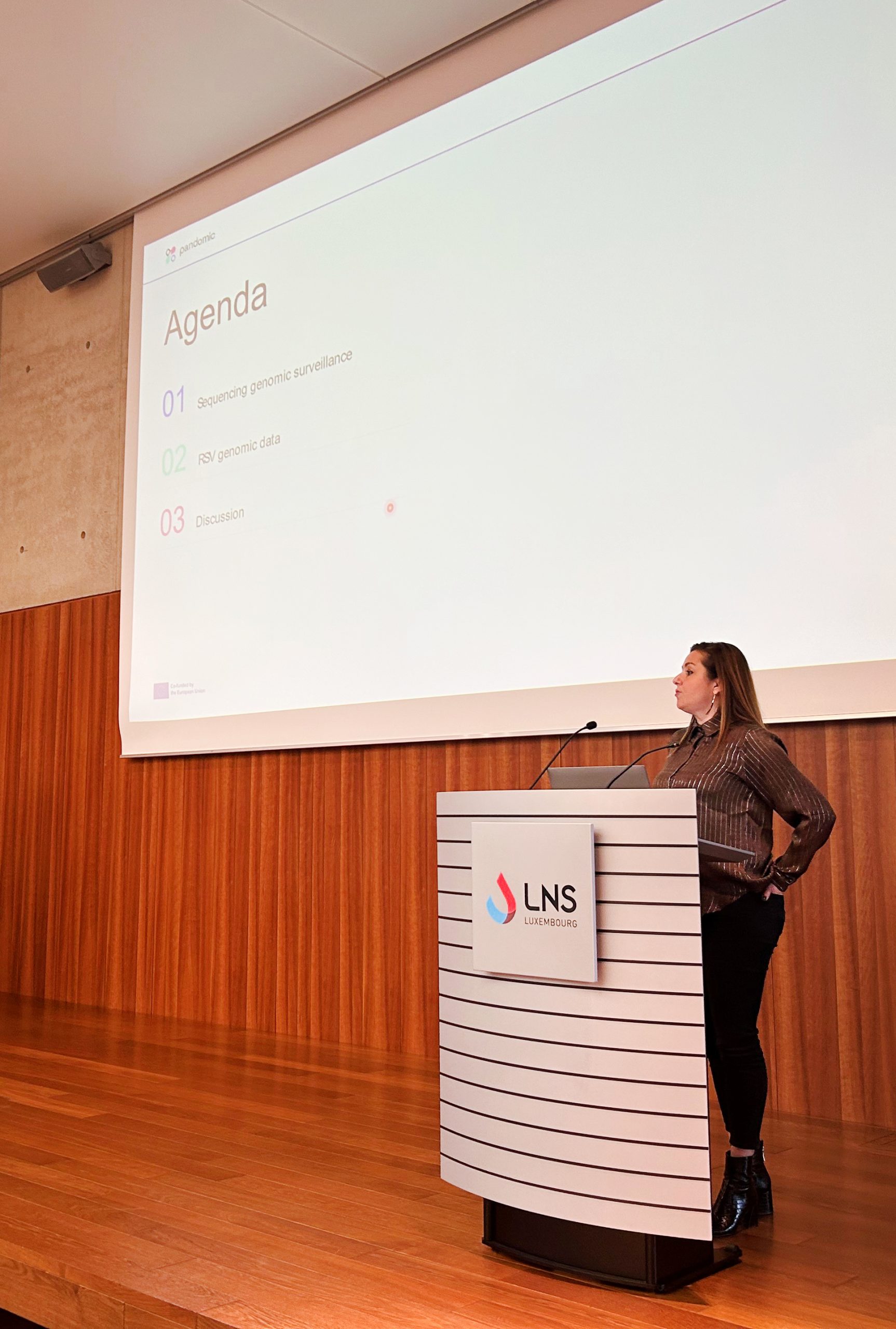
The agenda combined clinical, epidemiological and technical perspectives from key national actors. The LNS presented developments in routine RSV diagnostics, genomic sequencing workflows and the analytical pipelines implemented under the project. Clinical insights were provided by the Kannerklinik/CHL, outlining RSV patterns and severity in pediatric populations. The Health Inspection offered an overview of the national immunization strategy and its impact on hospitalizations. Insights on community-level circulation were shared through the Sentinel Network, coordinated across general practitioners and pediatric practices.
Together, these contributions illustrated how PANDOMIC has enhanced the detection and characterization of circulating RSV strains, improved interpretation of seasonal dynamics and strengthened the integration of genomic data with clinical and epidemiological information.
A central part of the discussions focused on sustainability. Stakeholders highlighted the importance of integrating RSV sequencing into routine surveillance workflows, ensuring consistent sampling strategies and metadata collection, and maintaining strong coordination between laboratories, clinical teams and public health authorities. These elements are essential to ensure that the capacities developed under PANDOMIC remain operational and continue to support preparedness efforts after the project concludes.
As noted by Dr Sibel Berger, WP5 Leader: “Now that RSV sequencing is established, the next step is to use this capacity to strengthen genomic surveillance and shape the future of RSV monitoring in Luxembourg.”
The workshop marks an important step in ensuring that the advances achieved under PANDOMIC continue to contribute to early detection, improved monitoring and stronger preparedness for future respiratory threats.
Feature latest news
-
 News: PANDOMIC Main Achievements and Long-Term Outlook
PANDOMIC Main Achievements and Long-Term Outlook
-
 News: PANDOMIC Final Consortium Meeting: Consolidating Progress in Genomic Surveillance and Preparedness
PANDOMIC Final Consortium Meeting: Consolidating Progress in Genomic Surveillance and Preparedness
-
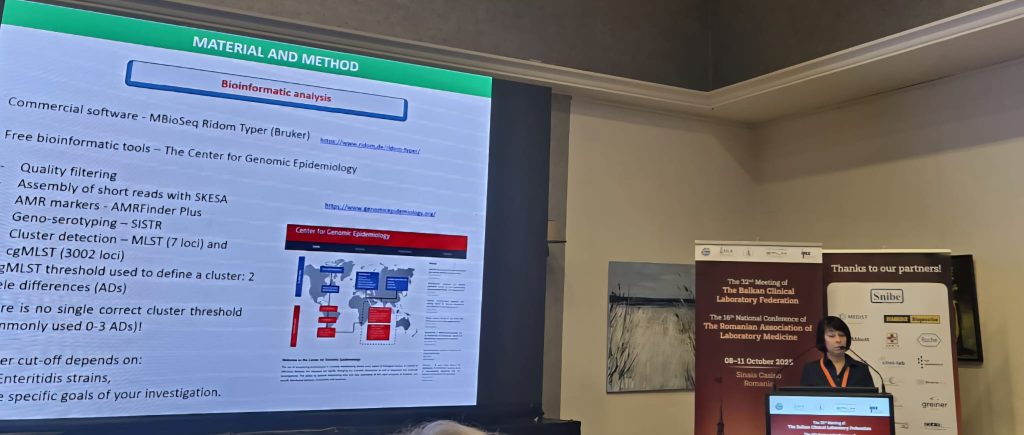 News: PANDOMIC Advances Genomic Surveillance at Romanian National Conference
PANDOMIC Advances Genomic Surveillance at Romanian National Conference