PANDOMIC Final Consortium Meeting: Consolidating Progress in Genomic Surveillance and Preparedness

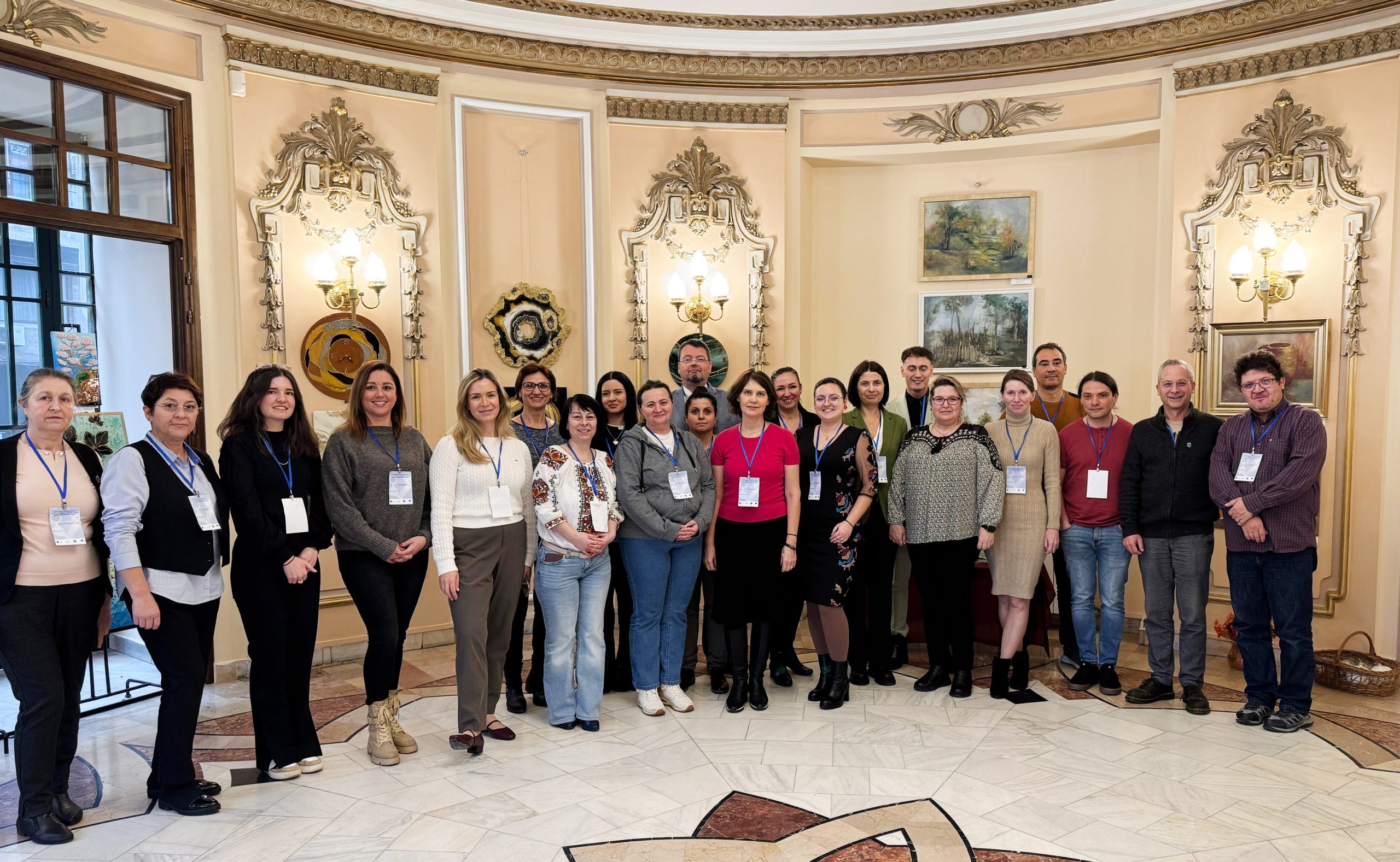
The PANDOMIC consortium held its Final Meeting on 26-27 November 2025 in Bucharest, with teams from the Laboratoire national de santé (LNS), the National Institute of Public Health (INSP) and the Cantacuzino National Military Medical Institute for Research and Development (IC), joined by representatives from ECDC, HERA, HaDEA and the External Advisory Board.
The meeting marked the end of nearly 30 months of collaboration and provided a consolidated view of progress as the project approaches its conclusion in December 2025.
Partners reviewed major advancements in genomic surveillance. LNS validated RSV sequencing workflows and generated 642 RSV genomes, while INSP established its RSV WGS protocol, carried out pilot sequencing and prepared its first data submissions. In parallel, IC implemented the WGS workflow for the surveillance of foodborne pathogens and submitted genomic data to EpiPulse.
Both countries also strengthened One Health surveillance for antimicrobial resistant Salmonella spp., Shigella spp. and Campylobacter spp., revealing important plasmid-mediated resistance trends and improving cross-country analytical capabilities. The project also delivered substantial progress in digital capacity. INSP established a national bioinformatics hub with secure storage, a high-performance computing system and coordinated access for regional laboratories, enabling consistent analysis of Illumina and Nanopore data.
LNS supported the development of pipelines, quality control processes and visualization tools to ensure methodological alignment across partners.
Work on preparedness planning resulted in reinforced national frameworks in both countries, including the STRONG1 model developed in Romania to guide long-term genomic readiness. Sustainability actions defined during the project aim to maintain sequencing capacity, data-management systems and inter-institutional collaboration beyond PANDOMIC’s lifetime.
The Final Consortium Meeting allowed partners to validate results, align final outputs and exchange with European institutions and the External Advisory Board on future opportunities for collaboration across public health, veterinary and research sectors.
The project concludes with reinforced laboratory, data and coordination systems that will continue supporting national and cross-border public health readiness.
The consortium thanks all partners, contributors and external institutions for their collaboration, expertise and commitment!
1 STRONG model: INSP’s national genomic readiness framework, covering Specialised training, Technology and infrastructure, Regulations and governance, Operational protocols, National genomic readiness and Guidance for sustainability.
Feature latest news
-
 News: PANDOMIC Main Achievements and Long-Term Outlook
PANDOMIC Main Achievements and Long-Term Outlook
-
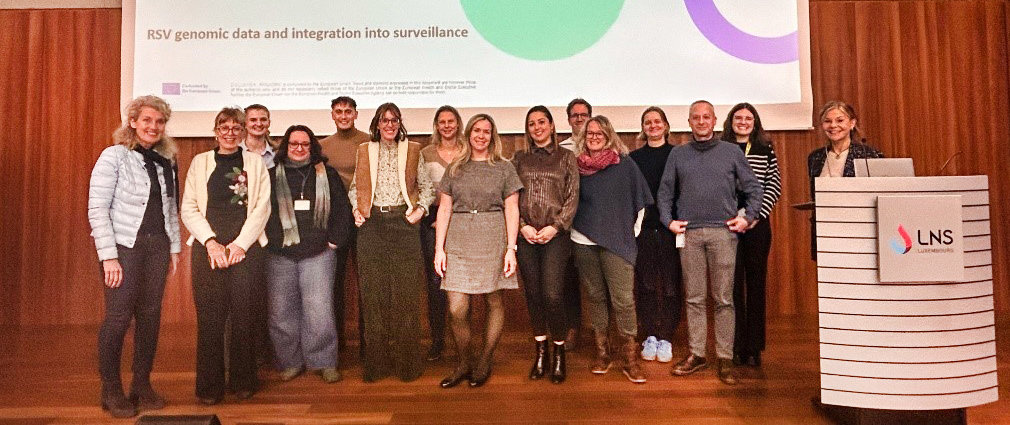 News: RSV Genomic Surveillance Workshop: Advancing PANDOMIC’s Long-Term Vision
RSV Genomic Surveillance Workshop: Advancing PANDOMIC’s Long-Term Vision
-
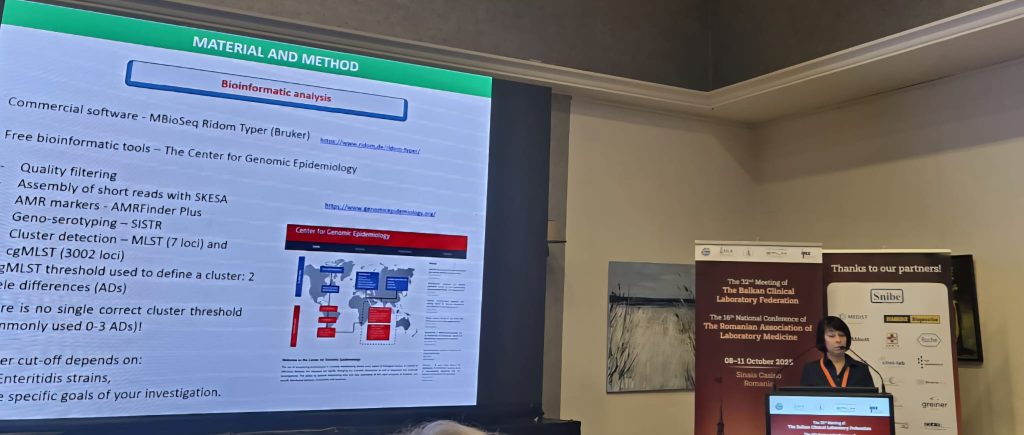 News: PANDOMIC Advances Genomic Surveillance at Romanian National Conference
PANDOMIC Advances Genomic Surveillance at Romanian National Conference